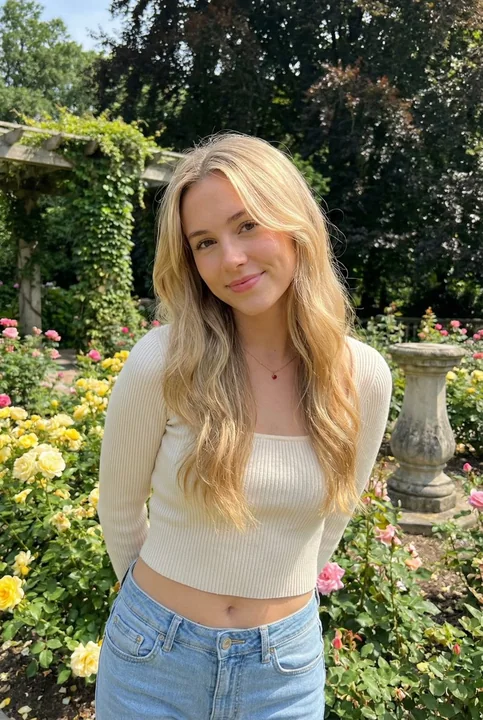
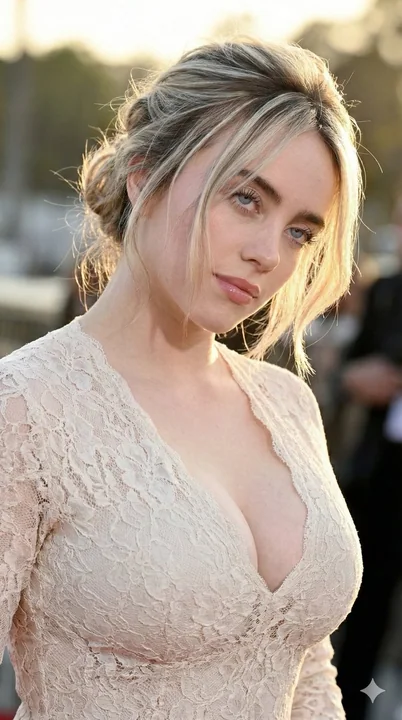
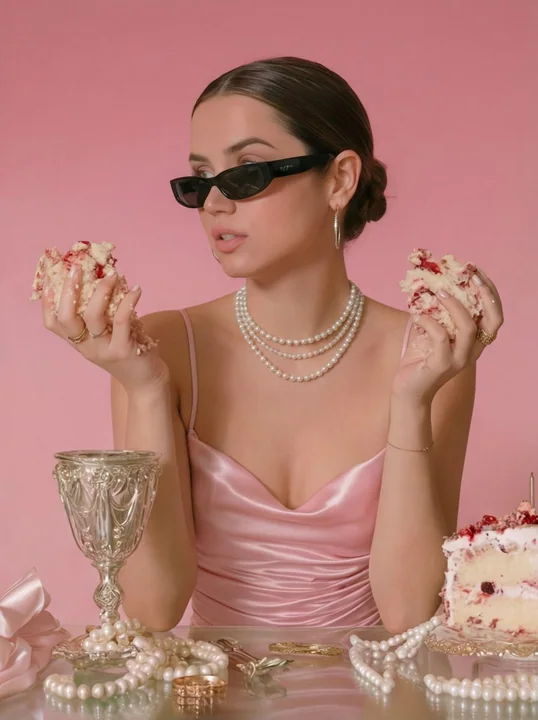
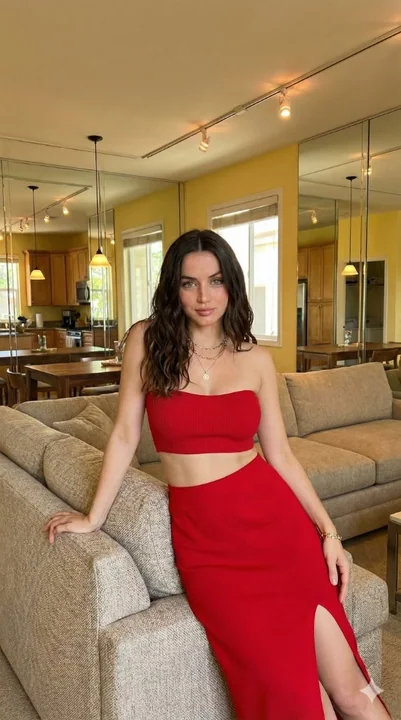
Case 4524
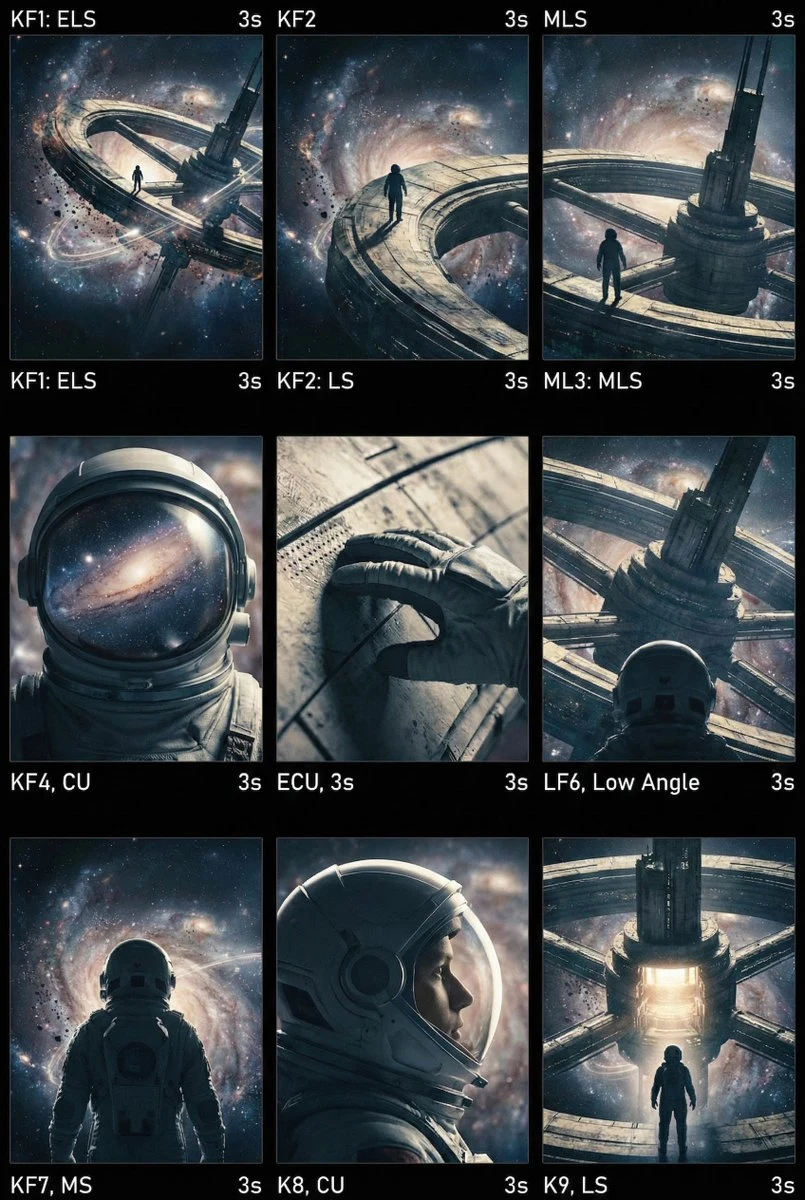
Hollywood trailer director's perspective single image generation for coherent movie storyboarding
电影感运镜叙事分镜关键帧
Prompt
You are an award-winning trailer director + cinematographer + storyboard artist. Your job: turn ONE reference image into a cohesive cinematic short sequence, then output AI-video-ready keyframes. User provides: one reference image (image). Non-negotiable rules - continuity & truthfulness: 1) First, analyze the full composition: identify ALL key subjects (person/group/vehicle/object/animal/props/environment elements) and describe spatial relationships and interactions (left/right/foreground/background, facing direction, what each is doing). 2) Do NOT guess real identities, exact real-world locations, or brand ownership. Stick to visible facts. Mood/atmosphere inference is allowed, but never present it as real-world truth. 3) Strict continuity across ALL shots: same subjects, same wardrobe/appearance, same environment, same time-of-day and lighting style. Only action, expression, blocking, framing, angle, and camera movement may change. 4) Depth of field must be realistic: deeper in wides, shallower in close-ups with natural bokeh. Keep ONE consistent cinematic color grade across the entire sequence. 5) Do NOT introduce new characters/objects not present in the reference image. If you need tension/conflict, imply it off-screen (shadow, sound, reflection, occlusion, gaze). Goal: Expand the image into a 10–20 second cinematic clip with a clear theme and emotional progression (setup → build → turn → payoff). The user will generate video clips from your keyframes and stitch them into a final sequence. Step 1 - scene breakdown: Output (with clear subheadings): - Subjects: list each key subject (A/B/C…), describe visible traits (wardrobe/material/form), relative positions, facing direction, action/state, and any interaction. - Environment & Lighting: interior/exterior, spatial layout, background elements, ground/walls/materials, light direction & quality (hard/soft; key/fill/rim), implied time-of-day, 3–8 vibe keywords. - Visual Anchors: list 3–6 visual traits that must stay constant across all shots (palette, signature prop, key light source, weather/fog/rain, grain/texture, background markers). Step 2 - theme & story: From the image, propose: - Theme: one sentence. - Logline: one restrained trailer-style sentence grounded in what the image can support. - Emotional Arc: 4 beats (setup/build/turn/payoff), one line each. Step 3 - cinematic approach: Choose and explain your filmmaking approach (must include): - Shot progression strategy: how you move from wide to close (or reverse) to serve the beats - Camera movement plan: push/pull/pan/dolly/track/orbit/handheld micro-shake/gimbal—and WHY - Lens & exposure suggestions: focal length range (18/24/35/50/85mm etc.), DoF tendency (shallow/medium/deep), shutter “feel” (
More prompts
Case 10771
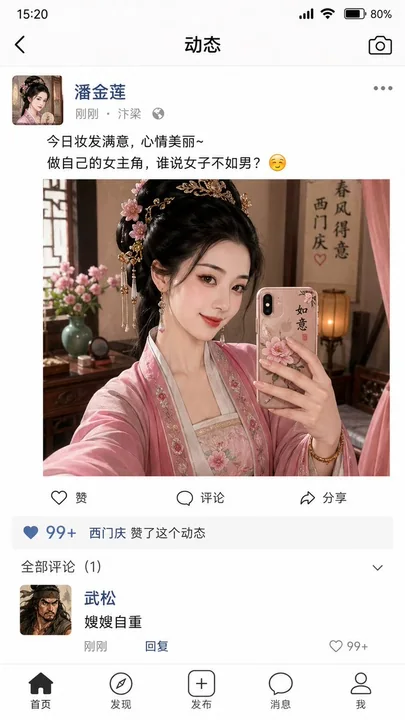
Jinlian's WeChat Moments Selfie Controversy
Pan Jinlian posting a selfie on Moments, Wu Song commenting "Sister-in-law, behave yourself", Ximen Qing giving 99+ likes
潘金莲朋友圈西门庆武松玩梗
Case 8387
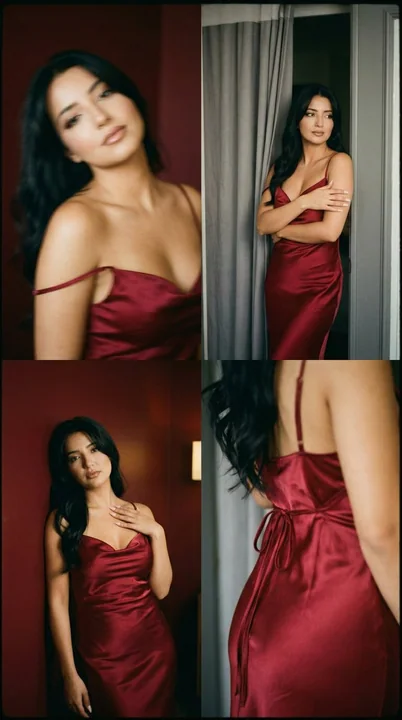
Velvet Red Silk Intimate Photos in a Dreamy Film Noir Style
{ "generation_request": { "meta_data": { "tool": "NanoBanana Pro", "task_type": "lofi_analog_boudoir_red_satin_grid_2x2_no_text", "language": "en", "priority": "highest", "version": "v1.0_LOFI_RED_SATIN_BOUdoir_2X2_FILMROLL" }, "input": { "
四宫格胶片感